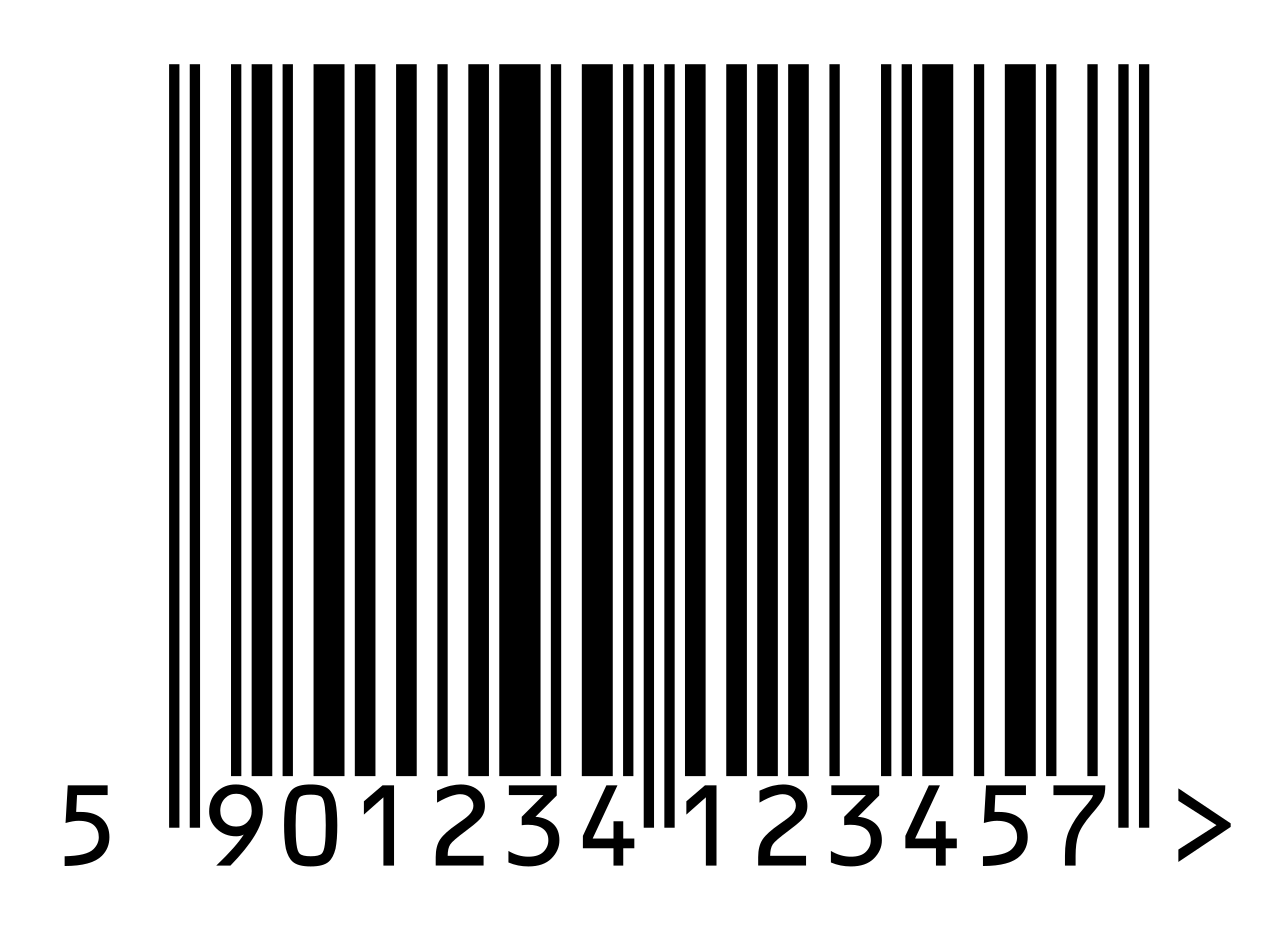
Two similar packages, the same product name, different prices. Before choosing the cheaper offer, it helps to establish whether you are comparing the same thing. A barcode can make that question more precise. It cannot also serve as a factory address and a guarantee of authenticity.
This article concerns GS1 product identifiers and the familiar linear EAN-13 barcode. Codes on packaging do not all work alike: these conclusions should not automatically be applied to serialized markings or an arbitrary QR code.
A product identifier, not an individual pack number
GS1 explains that barcode bars encode a GTIN in a scanner-readable form. The same GTIN can appear on many units of the same product. Finding identical digits on two identical packs is therefore not inherently suspicious.
The practical value becomes clearer when comparing variants. Imagine two coffee listings with a familiar product photograph, one offering 500 g and the other 450 g. This is a hypothetical example, not a test of a retailer. Compare the stated weight and identifiers rather than treating a similar picture as proof of an identical offer.
The GS1 GTIN Management Standard, release 1.1 from September 2023, requires a new GTIN when the legally required declared net content changes. This is an identification rule, not a claim that every retailer has entered its listings correctly. A mismatch between the code, description and packaging is worth clarifying with the seller before ordering.
The opening digits do not locate the factory
GS1 explicitly says that an EAN-13 prefix does not establish country of manufacture. It relates to the GS1 organization that allocated the number; the product may have been made elsewhere. A prefix chart therefore cannot tell you where a particular product was manufactured.
When origin matters to your choice, look for the relevant information on the packaging and in the manufacturer's documentation. Ask the seller to explain conflicting information. The prefix alone provides no basis for calling an item either counterfeit or genuine.
What a number lookup can reveal
According to GS1, Verified by GS1 identifies the party that assigned a GTIN. Product details appear if they are available in the database. If a number is not a GS1 GTIN or cannot be found, the service returns a short explanation.
A lookup can help you compare the advertised product with the identifier's record. But a database entry concerns a number; it is not an inspection of the package in your hands. No individual product was checked for this article, which describes the tool's capabilities and limits.
Valid digits are not an authenticity test
A GTIN check digit validates the number's structure. A correct calculation cannot establish whether a package contains what its label claims. That is a different question, beyond the scope of the arithmetic.
GS1 distinguishes a base product GTIN from its combination with a serial number identifying an individual unit. This finer level of identification enables unit-level traceability. Merely having a serial number does not mean an authenticity check has taken place: you still need to know which system checks it and what that system's response means.
Putting the identifier to work
Start with the model, variant, weight or volume. Then compare the complete number on the packaging with the listing, if the store provides one. When details conflict, keep the links and ask a specific question: which version will actually be delivered?
Used this way, a barcode is a useful reference without exaggerated promises. It helps specify what you are buying. Origin, condition and the reliability of an offer require other evidence. Comparing prices becomes meaningful only after you have established what is being compared.
Related reading
Sources
- https://support.gs1.org/support/solutions/articles/43000734095-how-do-gs1-gtins-and-barcodes-work-
- https://support.gs1.org/support/solutions/articles/43000734188-does-the-gs1-prefix-first-3-digits-of-the-ean-13-barcode-number-show-the-country-of-origin-
- https://support.gs1.org/support/solutions/articles/43000734115-how-can-i-know-which-company-assigned-a-gs1-gtin-to-a-product-
- https://support.gs1.org/support/solutions/articles/43000734238-how-does-serialisation-differ-from-unique-identification-in-the-gs1-system-
- https://ref.gs1.org/standards/gtin-management/