ShopTools AI helps people find promo codes by store and country. An article about that task should remove a specific obstacle for the reader. The number of keyword variations does not determine how many pages the answer needs.
Collect questions, not just phrases
A keyword map becomes useful when it identifies an action. Finding a code is a discovery task; understanding why an accepted code left the price unchanged is a diagnosis task. They call for different answers.
A list of queries is not a measurement of demand. Record whether a topic came from on-site search, a support question, external data or an editorial hypothesis. Do not present an assumption as demonstrated popularity.
Give each topic a primary address
- Describe in one sentence what the reader should be able to resolve.
- Compare that task with existing page titles and substantive sections.
- When the intent matches, improve the existing article. A new example does not necessarily need a new URL.
- For a genuinely separate question, state how the proposed answer differs from its neighbors.
A rejected coupon and a missing discount after code entry often belong in one guide. A technical article about locating the field is separate only if it covers the algorithm and tests, rather than repeating buyer advice.
Gather evidence before drafting
- For an instruction, record the available action and the interface state it applies to.
- For a number, identify its source, period and unit of measurement.
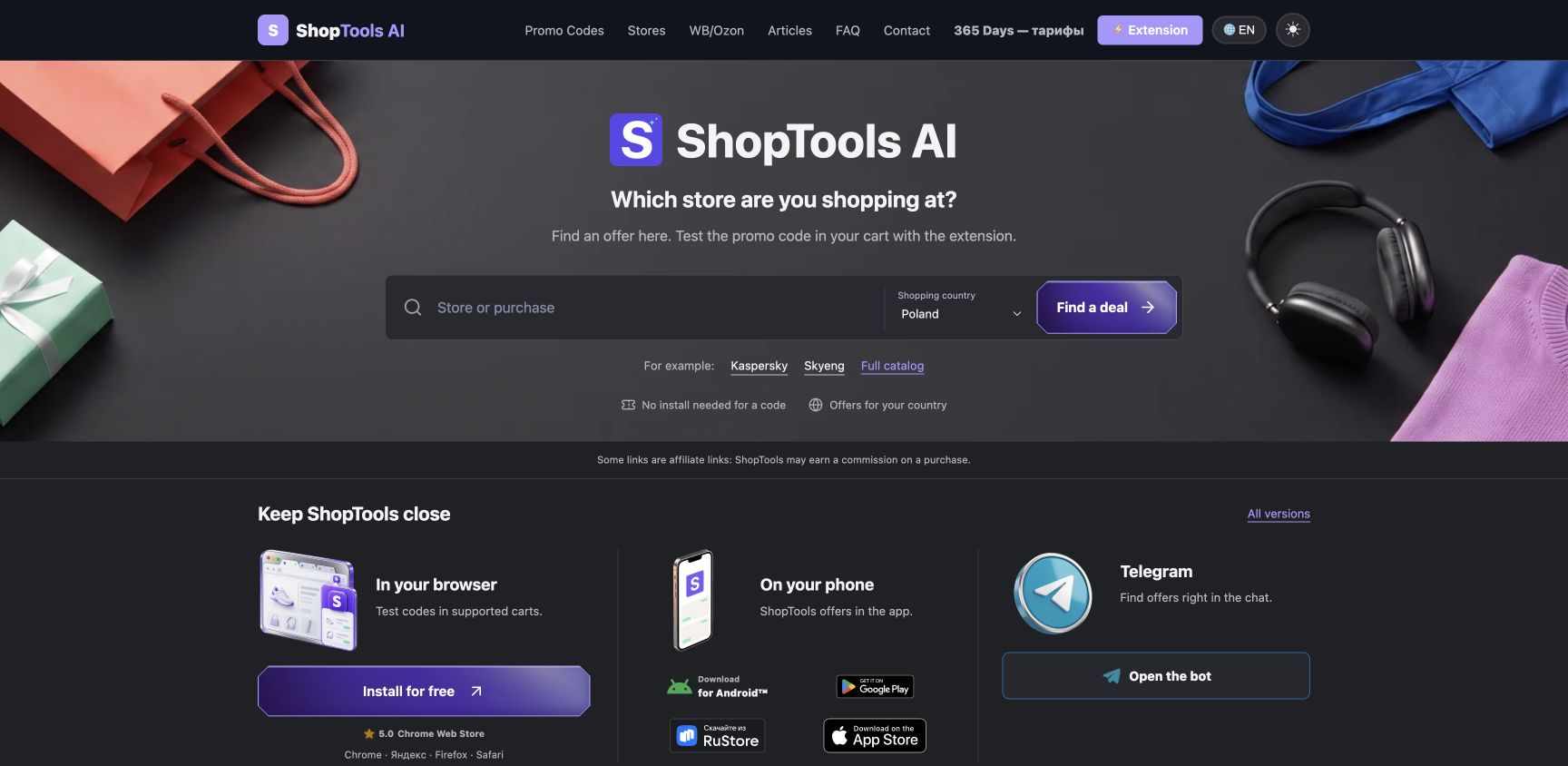
- For a screenshot, check what it establishes. A search form does not show a successful discount.
- For merchant terms, record when they were checked and the limits of their applicability.
Production notes, local file paths, personal data and illustrative amounts are not evidence to publish. Where a material action remains unverified, narrow the claim or hold that section until it can be checked.
Edit both languages as one topic
AI can help identify repetition and inspect structure. The editor still decides which question an article answers and what it can legitimately claim. Fluent prose without a verifiable answer is not enough.
Russian and English versions should carry the same facts and qualifications, not the same word order. Check that a possible outcome has not become a certainty and that conditions tied to a particular cart remain visible.
After publication, look for unresolved questions and obstacles in the reader's journey. Improving an existing answer may matter more than adding a headline. Neither structure nor translation guarantees traffic or AI citations.
By the ShopTools AI editorial team.
Some ShopTools links are affiliate links. ShopTools may earn a commission on a qualifying purchase confirmed by the retailer; a click alone does not guarantee a commission.
Prepared with AI assistance. Product descriptions were checked against ShopTools code and interface; this is not a report of tests at every store.